What Do FCPS Students Think About Our Rigor?

To find out how we are actually doing when it comes to educating our students, we went straight to the source. Below, you’ll find thoughts from two students — Danielle Bennett, a Westfield High Class of 2006 grad, and Daniel Mejia, a graduate of Fairfax High’s Class of 2009. We think you’ll be as impressed by their comments as we were. — Peter Noonan
Danielle Bennett, Class of 2006, Westfield High
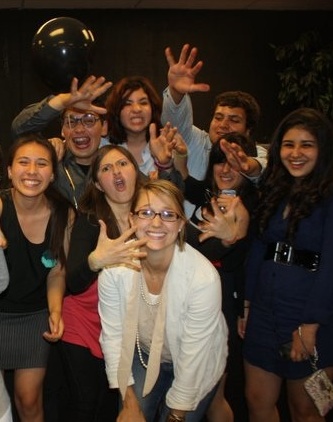
Since graduating from high school, Danielle Bennett (pictured right) has seen quite a bit of the world. Today, she is part of the Teach For America Los Angeles program, and the quote that she pastes into the signature line of each email she sends is: “One day, all children in this nation will have the opportunity to attain an excellent education.”
As a young woman who obviously values education, we were very excited to learn about what she thought of the rigor of her own education at FCPS. Here are her thoughts.
Where did / do you go to college? What is / was your major? If you have graduated, did you finish in four years? I went to the University of Southern California and majored in Political Science with a minor in Spanish. I finished in three years, essentially (taking one class my second semester of my senior year)
What are you doing today? I’m teaching through a program called Teach For America. I teach 12th grade Government/Economics at Animo Inglewood Charter High School. Next year I’ll continue to teach Gov/Econ, as well as AP Gov and Political Science, while getting my master’s in Education Administration and Policy at Loyola Marymount University.
When you started college, did you feel prepared for the rigor of the workload? Yes
If so, why and how? I took four AP classes my senior year of high school. I felt well-exposed to college-level texts, structured writing, study habits, and test-taking strategies. I also got used to a very regular, heavy workload and found ways to manage my time with my extracurricular activities. My first semester of college I was able to get a 4.0 because of that.
If anything, what would you have changed about the classes you took in high school? To be honest, I wouldn’t change a thing about my course load in high school. I think the rigor of taking four AP classes might have been too much for some students, but I started taking honors classes my freshman year and built up in AP workload every year as soon as AP classes were offered. I don’t think I would’ve survived had I jumped from one AP class to four, but I had planned on working my way up to that workload since the beginning of high school. I think my AP classes prepared me very well for my college courses—they built my writing skills, analytical skills, and ability to pick out key points and important information from large texts. I also had a fair amount of time left to enjoy high school and participate in several extracurricular activities, including the school newspaper, class executive board, and league basketball.
If you could advise students still in high school about the importance of taking rigorous classes, what would you tell them? Take the leap! Start off slow, take one or two, and you will be incredibly grateful for it. Rigor is like a tough workout in that it can be intimidating before it starts, and hurt while it lasts. But you’ll benefit so much from the effort. Not only do AP classes help to prepare students for college, but frequently they can allow the student to earn college credits, which can save students money if they work hard enough in their courses and their college accepts it.
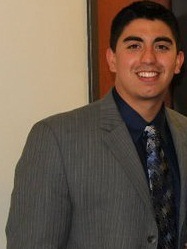
Daniel Mejia, Class of 2009, Fairfax High
What are you doing today? I am a student of Liberty University, where I am studying religion with a specialization in youth ministry. This summer, I am serving as a high school youth pastor for a Spanish church in Chantilly, VA. I basically work with high school students and help them inside and outside the church with different things going on in their lives. I am also speaking at the youth programs at our church and any other conferences or churches that I am invited to speak at.
When you started college, did you feel prepared for the rigor of the workload? If so, why and how? If not, why do think you weren’t prepared? When I started college I did feel prepared for the rigor of the workload because of the many AP and difficult courses I took, especially during my junior and senior years. The workload was definitely more difficult because it was actually college work but the fact that I took these AP classes, I was prepared for spending a lot of time studying, reading, and working on many assignments and papers. Although I took many introductory classes my first semester, I still had a lot of work to do but it did not seem difficult due to the preparation I received in high school.
If anything, what would you have changed about the classes you took in high school? Thinking back on what the classes I took in high school, I really would not change a thing because they did help prepare me and become a responsible student when I entered college. Somehow, I was still able to balance school work and “fun” during high school which has made it even easier to do during college. Yes, the work was hard when I took it two – three years ago but the difficulty of the classes prepared me to face the difficulty that college classes would bring.
If you could advise students still in high school about the importance of taking rigorous classes, what would you tell them? I would tell students in high school to really persevere through the toughness of the classes. At the end of the day, they will be doing the same when they enter college, so why not prepare now instead of then? It really is important to take these rigorous classes because it challenges you to think, act, and be a better student and what high school student doesn’t love a challenge? Stay focused, persevere, and don’t give up; it’s worth it!
Any other comments? AP classes were a pain during high school but I am glad that I took them because they helped me become a more responsible student; I heard someone say, “the hassle was worth the tassel,” and yes, it is. Taking these classes was worth it because it helped me knock out a whole year of classes in college and helped me be able to graduate a semester early!