How to Deal With Heart Pain
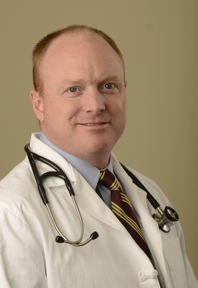
By Dr. John Maguire
Chest pain is one of the most common complaints we see in the emergency departments that I manage here in Northern Virginia. Typically, the patient looks up at me with big, scared eyes and asks, “Am I having a heart attack?”
I always wish that it were easier to tell, but despite medical advances, we are still usually unable to answer the question at the time of that initial visit.
Here’s why:
1. Chest pain is a very difficult symptom to pin a diagnosis to because it can be a sign of several other problems, including a broken rib, a blood clot, pneumonia, or a tear in the aorta, among other conditions.
2. That is why most physicians make a diagnosis based on the patient’s medical history. For instance, we know that if the patient smokes, has high cholesterol, and has a family history of heart disease, he or she is more likely to have a heart problem than the healthy triathlete.
3. Physicians are trained to create a differential diagnosis, which is a list of the possibilities that could be the cause of the symptoms. With chest pain as the presenting complaint, we care less about making a diagnosis and more about ruling out something that is life threatening.
Two groups of patients commonly have unusual symptoms when they are actually having a heart attack:
Women: Heart disease is a big threat to women’s health. Believe it or not, statistics show that about 267,000 women die of heart attacks each year — six times more than those who die of breast cancer. The reason it’s such a big threat is that women who are having a heart attack often have atypical complaints, such as shortness of breath, nausea and / or vomiting, and back or jaw pain. They also experience flu-like symptoms, fatigue, extreme weakness, light-headedness, and cold sweats.
In addition, women tend to be about 10 years older than men when they have a heart attack. About 82 percent are 55 or older. They also tend to have high blood pressure, high cholesterol, and / or diabetes (see more on that below). And they are likely to be smokers, overweight, and lead a sedentary lifestyle. Unfortunately, women are often less likely than men to believe they’re having a heart attack, so they delay seeking emergency treatment. Obviously, this is a lethal combination and one that needs to be paid more attention to.
Diabetics: Another group of patients that have atypical complaints when they are having a heart attack is diabetics. Usually, they do not have chest pain, but complain of significant nausea. That is why physicians must be masters of pattern recognition, and be able to see outside the “normal” patterns to minimize the possibility of missing the tough case.
Signs of a heart attack:
- Pressure, fullness, or tightness in your chest
- Crushing or searing pain that radiates to your back, neck, jaw, shoulders, and arms, especially your left arm
- Pain that lasts more than a few minutes, goes away and comes back, or varies in intensity
- Shortness of breath, sweating, dizziness, or nausea
- Chest pain related to noncardiac problems
Chest pain that isn’t related to a heart problem is more often associated with:
- A burning sensation behind your breastbone (sternum)
- A sour taste or a sensation of food re-entering your mouth
- Trouble swallowing
- Pain that gets better or worse when you change your body position
- Pain that intensifies when you breathe deeply or cough
- Tenderness when you push on your chest